
By Gabriela Afanador
Wednesday 9, September 2026
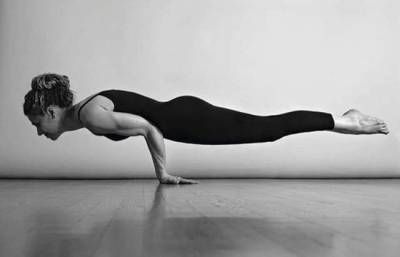
Somewhere between the pull up bar and the first clean handstand, calisthenics stops being a workout and starts being something closer to a practice. I started three months ago with pull ups, the kind of exercise that looks simple until you are hanging there realizing how much of your own weight you have never actually had to move before. From there it became handstands, then pike push ups worked into shoulder day, then L sits folded into every triceps session, until what began as ten or fifteen minutes tacked onto the end of a workout turned into something that reshaped how my whole body moves. I am nowhere near finished with any of it, since the handstand is still a work in progress and the L sit still shakes a little longer than I would like before I let my legs down, but three months of showing up consistently has already changed enough that I wanted to actually sit down and understand why.
What It Actually Is
Calisthenics is, at its simplest, strength training using nothing but your own bodyweight, pull ups, push ups, dips, levers, holds. The word comes from the Greek kallos, meaning beauty, and sthenos, meaning strength, and the movements fall roughly into two categories, dynamic exercises like pull ups and push ups that move through a full range of motion, and static holds like the L sit or the planche, where the challenge is simply maintaining a position against gravity for as long as possible. Progression in calisthenics does not come from adding external weight the way it does with a barbell. Instead it comes from altering leverage, changing the angle or extension of the body to make a movement harder, adjusting tempo, or increasing time under tension, so a pike push up eventually becomes a full handstand push up and a bent knee hold eventually straightens into a full L sit.
What makes this leverage based system different from lifting is really a question of variables. With a barbell, the load itself does almost all the work of making an exercise harder, since you simply add weight to the bar, but with calisthenics the load is fixed, always your own bodyweight, so every other variable has to do the adjusting instead. Moving your hands further from your feet in a push up shifts more weight onto your upper body, extending your legs fully in an L sit instead of keeping them tucked lengthens the lever arm your core has to control, and slowing a pull up down on the way back to the bottom increases time under tension without changing the movement itself at all. Once you understand that logic, almost any bodyweight exercise can be made easier or harder without needing a single piece of equipment.
What the Research Shows
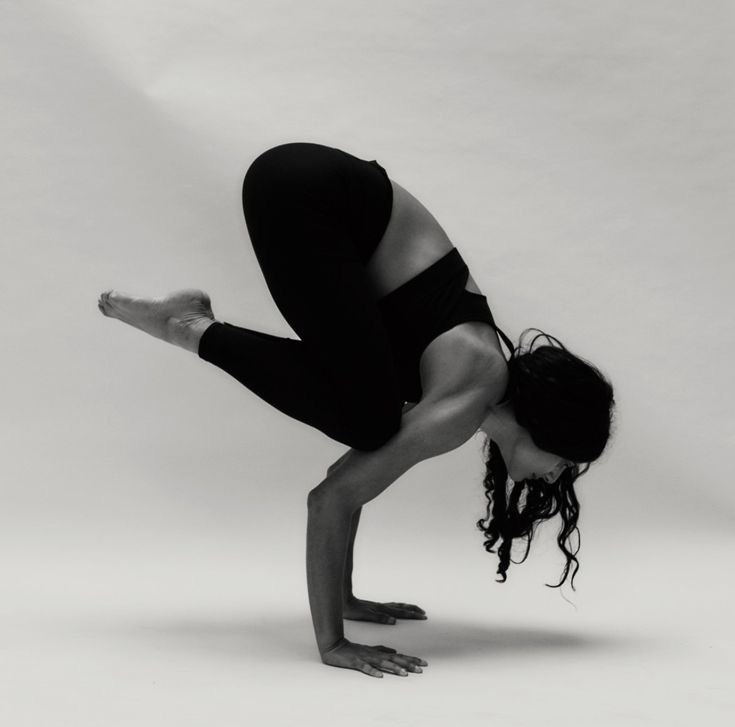
Exercise physiologists describe this kind of leverage based progression as the real engine behind calisthenics, since the body adapts to increasing demand the same way it does under a barbell, just by changing the geometry of a movement instead of adding plates. Researchers studying calisthenics athletes have consistently pointed to one distinguishing trait compared to people who train primarily on machines, a noticeably higher level of neuromuscular coordination, meaning the nervous system and the muscles communicate and fire together more efficiently, which tracks with what trainers in the space tend to say too, that calisthenics builds what is often called integrated strength rather than isolated strength, since a movement like a handstand or an L sit never allows one muscle group to work in isolation the way a machine curl or a leg press does. Every stabilizing muscle has to show up at once just to hold the position.
Sports medicine researchers have also pointed specifically to relative strength, meaning strength measured against your own bodyweight rather than an absolute number, as one of the more meaningful outcomes of this kind of training, and experts in functional fitness tend to frame it the same way, that being able to move and control your own body efficiently carries over into everyday movement, balance, and injury prevention in a way that raw lifting capacity alone does not always translate into. That distinction is part of why physical therapists so often use bodyweight progressions specifically, pike push ups, assisted pull ups, modified holds, as rehabilitation tools, since the movements can be scaled in intensity just by changing the angle of the body rather than requiring any equipment at all.
There is also a coordination component that researchers keep coming back to, something closer to motor learning than pure strength, since holding an L sit or balancing in a handstand requires the brain to process constant, small feedback from the body and adjust in real time, a process researchers refer to as proprioception, essentially the body’s own internal sense of where it is in space. That kind of training has effects that extend beyond the specific exercise itself, and experts in motor control have noted that this kind of balance and coordination work tends to improve performance in other physical skills entirely unrelated to calisthenics, since the nervous system is being trained generally rather than one muscle being trained in isolation.
The Benefits, Beyond Strength
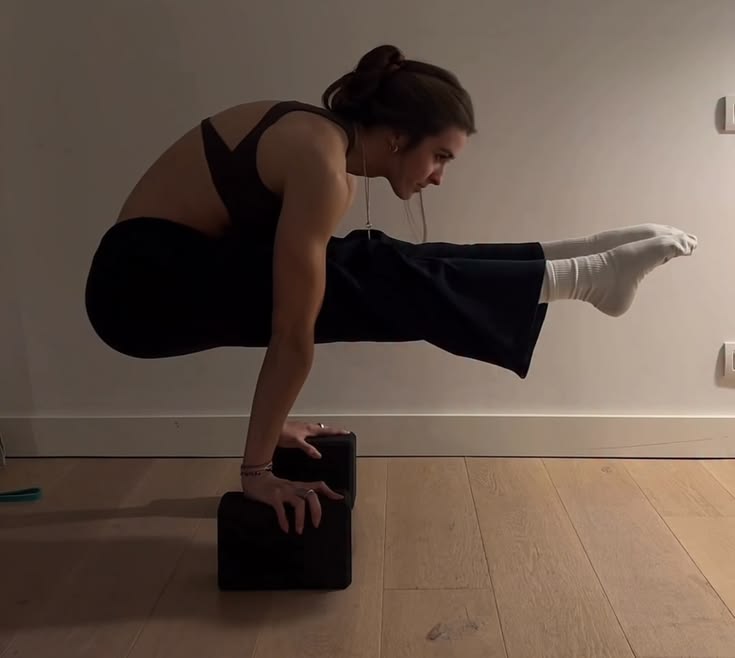
What I have noticed most in my own training is not just raw strength, though that has changed too, but control. A pike push up demands something different from a shoulder press with a dumbbell, because there is nowhere to hide an imbalance when the only resistance is your own body held at an angle, and an L sit asks your core to do real, sustained work the moment you lift your legs, not just during a set number of reps but for the entire time you are holding the position, your hip flexors and abdominals firing continuously rather than through a controlled range of motion with rest built into every rep. Handstands, which I am still very much perfecting, have taught me a great deal about shoulder stability and body awareness along the way.
This lines up with what trainers in the field describe as one of calisthenics’ biggest advantages, that it forces the body to move through its full, natural range rather than the fixed, often partial path a machine dictates, and posture improves too, which tracks with how I feel after a session, since the kind of full body tension and alignment a handstand or an L sit demands has a way of correcting small postural habits you did not even realize you had built up elsewhere.
The joint health side of this is worth mentioning too, since it is one of the benefits people tend to underestimate most. Bodyweight training is often described by trainers as inherently joint friendly, largely because the resistance never exceeds what your own body can reasonably support, unlike a loaded barbell, which can place significant strain on joints if form breaks down under heavy weight. That does not mean calisthenics is without risk, since a poorly executed handstand or an L sit performed with rounded shoulders can absolutely create problems of its own, but the ceiling on load is naturally built in, which tends to make it a more forgiving entry point for anyone returning to training after time off or working around an old injury. The flexibility and mobility gained through movements like deep bodyweight squats or full range pull ups also tends to compound over time in a way that isolated machine work rarely replicates, since every rep is asking the joint to move through its complete natural range rather than a fixed, mechanically guided path.
Why It Won’t Make You Bulky
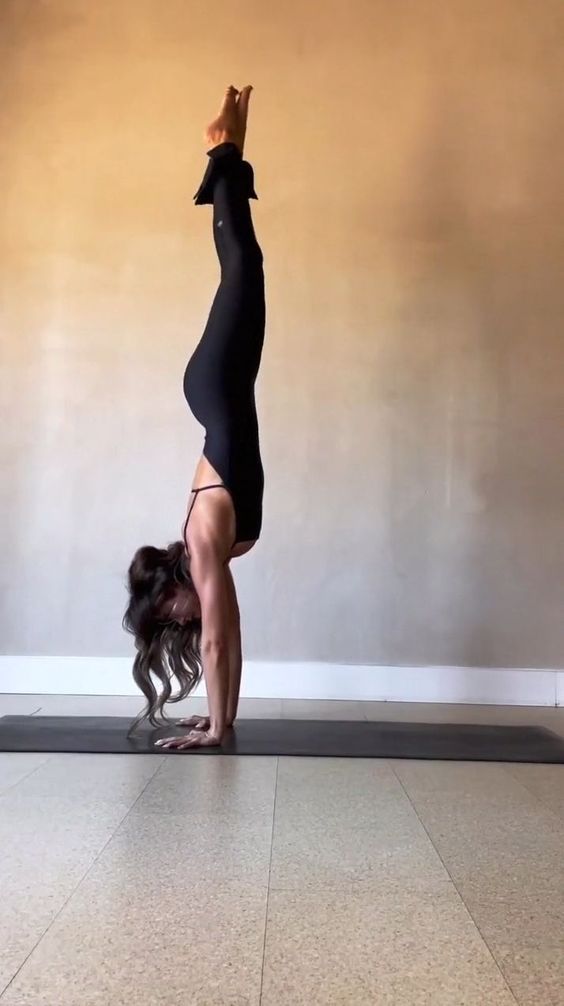
One of the more persistent myths around bodyweight training is the fear that building this kind of strength means building bulk, and it is worth addressing directly because it keeps a lot of people from ever trying it. Muscle hypertrophy, the actual process of muscle growth, requires a fairly specific combination of mechanical tension, training volume, and caloric surplus sustained over time, and calisthenics, especially when it is layered into the end of an existing training session the way I have been doing it rather than built as a dedicated hypertrophy program on its own, overwhelmingly builds strength, control, and muscular endurance before it builds significant size. Trainers who specialize in bodyweight work tend to describe the visible result the same way I have experienced it, a leaner, more defined kind of strength rather than added bulk, since so much of the adaptation is happening in coordination, tendon strength, and control rather than in muscle fiber size alone.
My Experience So Far
I do not train calisthenics every single day, and folding it into the last ten or fifteen minutes of a session five times a week, always paired intentionally with whatever muscle group I am already working, has meant it never competes with my regular training but supplements it instead. Shoulder day gets pike push ups, triceps day gets L sits, and the handstand practice happens whenever there is a little extra time and patience left at the end, usually against a wall at first and increasingly, now, away from one.
Three months in, the difference is not just visible, it is functional. I move differently, and I understand my own body’s leverage and control in a way that lifting alone never quite taught me. Pull ups that once felt genuinely impossible are now a normal part of back day, and while the L sit still asks for real focus every single time, it no longer feels foreign in my body the way it did the first week I tried it, legs shaking after barely two seconds off the ground. The handstand remains the most humbling part of all of it, a skill that rewards patience more than effort, and one I suspect I will still be refining a year from now.
Where to Actually Start
If any of this sounds appealing but the idea of an L sit or a handstand feels completely out of reach, it is worth remembering that every one of these movements has a beginner version built in, and a few places I would actually suggest starting are these. Assisted or negative pull ups, using a resistance band looped over the bar or simply lowering yourself slowly from the top of the movement, build the pulling strength you need long before a full unassisted pull up is possible. Incline push ups, hands on a bench or a step rather than the floor, teach the same pressing mechanics as a standard push up with significantly less load to manage at first. A tucked L sit, knees bent in toward the chest rather than legs fully extended, builds the same core engagement as the full position in a much more accessible range, and for the handstand, simply kicking up against a wall and holding, focusing on keeping the body in one straight line from wrist to ankle, teaches the balance and shoulder awareness the full freestanding version eventually requires.
There is a particular kind of satisfaction in watching a skill like a handstand or an L sit go from impossible to simply difficult to, eventually, familiar, in a way that adding five more pounds to a lift never quite replicates. It is strength training stripped down to its most honest form, just you, gravity, and the slow, deliberate work of getting better at holding your own weight.