
By Gabriela Afanador
Friday 17, July 2026

There is a version of fitness culture that has spent the last decade telling women that the goal is to be lean and elongated and graceful, that the ideal body is one built through low-impact movement, controlled breathing, and the kind of exercise that looks elegant while you are doing it. Pilates became the aesthetic shorthand for all of this, the reformer class as a cultural signifier, the body it supposedly produces held up as the contemporary standard of what a woman in good shape looks like. None of this is wrong exactly. Pilates is genuinely beneficial, the emphasis on core stability and controlled movement has real value, and the community around it has introduced a lot of women to consistent exercise who might not have found their way there otherwise. But the idea that a Pilates class is the most effective route to the body it is credited with producing is where the conversation starts to fall apart, because the research on what actually changes body composition, builds the kind of muscle definition that reads as lean and sculpted, protects bone health across a lifetime, and raises the body’s resting metabolic rate points consistently and clearly toward one thing: lifting heavy.
The fear that lifting heavy will make women bulky is the single most persistent and most scientifically unsupported belief in mainstream fitness, and it is responsible for an enormous amount of wasted time and missed results. Understanding why it is wrong is not just reassuring, it is genuinely useful, because the moment you stop organizing your training around avoiding an outcome that is not physiologically available to you, you can start organizing it around the outcomes that actually are. I have been strength training at least 25 days a month this year and the change in my body and in my strength has been more significant than anything I achieved before I committed to it consistently. I have also been incorporating yoga and calisthenics into the mix, but that is a conversation for another article. This one is about the weights, and why you should not be afraid of them.
The Bulking Myth
The reason women do not get bulky from lifting heavy is not a matter of opinion or anecdotal experience. It is biology, and the biology is specific. Muscle hypertrophy, the enlargement of muscle fibers that produces the kind of mass associated with a bulky appearance, is driven primarily by testosterone, and women have between ten and twenty times less of it than men. Normal testosterone values in men fall between 270 and 1100 nanograms per decilitre. In women, the range is 6 to 86 nanograms per decilitre. That difference is not incidental. It is the primary hormonal reason why men who lift heavy develop significant muscle mass relatively quickly and why women who lift heavy develop strength, definition, and improved body composition rather than size.
Research from McMaster University by West and Phillips found that despite a 45-fold difference in testosterone increase between men and women following intense resistance exercise, both sexes were able to synthesize new muscle protein at exactly the same rate. What this means in practice is that the hormonal response to lifting does not determine the rate of muscle protein synthesis in the way that most people assume, and that naturally occurring testosterone levels do not drive the kind of muscle growth women fear. Kraemer and Ratamess, writing in 2005, confirmed that muscle accretion and strength gains in women occur with or without any increase in testosterone, and that other anabolic hormones, particularly growth hormone, which women naturally produce at higher levels than men, are more likely responsible for the adaptation women do experience from resistance training. Women who lift consistently get stronger. They develop muscle definition. They change their body composition. They do not, under normal training conditions and normal nutrition, develop the kind of mass that the word bulky implies. Building that kind of size requires a significant caloric surplus, very high training volume, years of consistent work, and a hormonal environment that the female body simply does not naturally provide.
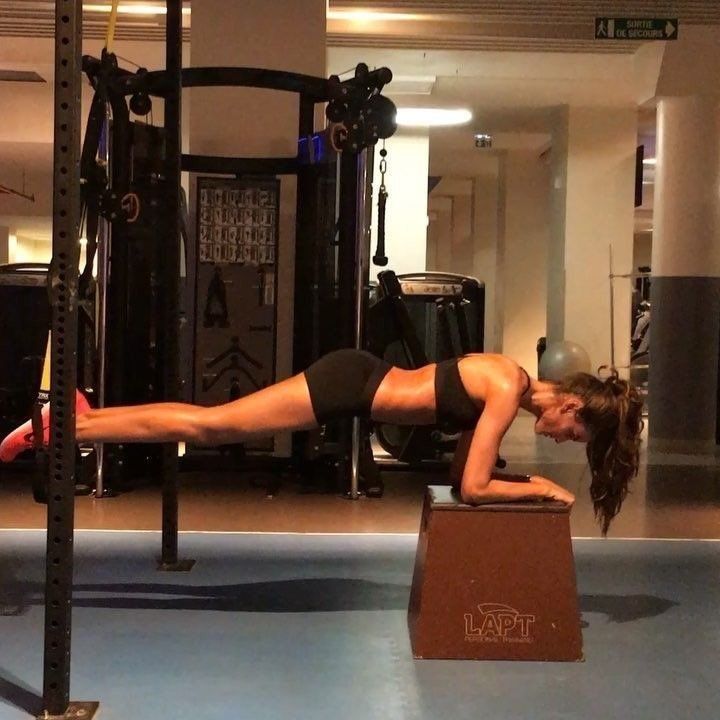
A 2025 meta-analysis published in PeerJ added an important layer to this conversation by finding that women actually have a similar capacity for muscle hypertrophy to men when the training is controlled and equivalent, which sounds alarming until you understand what hypertrophy means in context. The same hormonal differences that prevent extreme mass gain mean that women’s muscle growth, even when maximized, produces a compact, defined, dense musculature rather than volume and size. The body that consistent strength training builds in a woman is not bigger. It is more shaped, more metabolically active, and more structurally resilient than the one she started with.
What Heavy Lifting Actually Does to the Female Body
The more useful question is not what heavy lifting will not do to the female body but what it will do, and the answer to that question is considerably more compelling than most of the messaging around women’s fitness has historically communicated. Resistance training changes body composition in a way that neither cardio nor low-impact movement can replicate, because it is the only form of exercise that directly stimulates muscle tissue growth while simultaneously promoting fat loss. The result is a body with a higher ratio of lean mass to fat mass, which is what produces the appearance that most women are actually after when they describe wanting to look toned or defined or sculpted.
A systematic review and meta-analysis published in Sports Medicine found that resistance training significantly reduces body fat percentage and fat mass while improving overall metabolic health, and that these effects are distinct from and additive to the effects of aerobic exercise. The specific quality of the change matters here. Fat loss through cardio or caloric restriction alone tends to reduce mass generally without significantly changing the ratio of lean tissue to fat, which means the body gets smaller but not necessarily more defined. Fat loss that occurs alongside muscle development through strength training changes the underlying architecture of the body, the way it holds itself, the way it looks in clothes, the way it feels to move through the world in it, in a way that scale weight does not capture and that cardio alone does not produce.
The visual outcome of consistent strength training in women is typically described by the people who have done it as the body looking more like itself but better, the lines cleaner, the posture improved, the clothes fitting differently because the body underneath them has changed its actual composition rather than simply its size. The muscles that Pilates and barre and yoga are credited with producing, the long lean appearance, the strong core, the defined arms and legs, are built most efficiently through progressive resistance training, because those modalities are using resistance in their own way and resistance is what drives the adaptation. Lifting heavy is simply the most direct and most effective application of that principle.
The Bone Density Argument
Of all the reasons for women to lift heavy, the one that receives the least attention in mainstream fitness culture and deserves the most is what resistance training does to bone. Osteoporosis affects approximately 200 million women worldwide and is directly responsible for the fracture risk that significantly increases female morbidity and mortality after menopause. One in two women over fifty will experience an osteoporosis-related fracture in her lifetime. The disease is largely preventable, and one of the most effective preventive tools available is something most women are avoiding because they have been told it will make them look too muscular.
Bones respond to mechanical loading, specifically to the strain that muscle contractions place on them during resistance exercise, by activating osteoblasts, the cells responsible for bone formation, and increasing bone mineral density. This process, osteogenesis stimulated by mechanical stress, is the primary mechanism through which strength training protects bone health, and the evidence supporting it is extensive and consistent. A 2022 study by Holubiac and colleagues, published in Sensors and assessed by dual-energy X-ray absorptiometry, the gold standard measurement for bone density, found a statistically significant increase of 1.82 percent in lumbar spine bone mineral density in postmenopausal women with osteopenia and osteoporosis who followed a six-month strength training protocol, compared to a negligible 0.14 percent change in the control group. The LIFTMOR randomized controlled trial, published in the Journal of Bone and Mineral Research in 2018 by Watson and colleagues, found that high-intensity resistance and impact training significantly improved bone mineral density and physical function in postmenopausal women with osteopenia and osteoporosis, with the high-intensity group outperforming lower-intensity protocols on every bone health measure.

A comprehensive meta-analysis published in Frontiers in Physiology that pooled data from 75 studies and over 5,300 participants found consistent positive effects of exercise training on bone mineral density at the lumbar spine, femoral neck, and total hip in postmenopausal women, with resistance training producing the most significant and sustained improvements. The implications of this research are significant and extend well beyond the postmenopausal population. Bone density peaks in the late twenties and declines gradually from that point, with the rate of decline accelerating sharply at menopause. The bone density a woman carries into her forties and fifties is directly influenced by the loading history of her skeleton in her twenties and thirties, which means that the case for lifting heavy is not just about what it does right now. It is about what it prevents across a lifetime.
The Metabolic Case
Muscle is metabolically expensive tissue. Unlike fat, which is essentially inert from a caloric standpoint, muscle requires energy to maintain itself even at rest, which means that a body with more lean mass burns more calories throughout the day regardless of what that body is doing. This is the physiological basis of the commonly cited claim that strength training raises resting metabolic rate, and while the magnitude of the effect is sometimes overstated in fitness media, the underlying mechanism is real and practically significant over time.
Research published in the Journal of Applied Physiology by Campbell and colleagues, examining 16 weeks of resistive training in postmenopausal women, found that resistance training maintained resting metabolic rate while simultaneously increasing lean mass and decreasing fat mass, an outcome that dieting without exercise does not produce. The significance of maintaining metabolic rate during fat loss is considerable because the body’s natural response to caloric restriction is to downregulate energy expenditure, which is one of the primary reasons that dieting alone produces weight loss that is difficult to sustain. Strength training counteracts this by preserving and building the lean tissue that keeps metabolic rate elevated, which makes fat loss more sustainable and less metabolically punishing over time. Research published in the American Journal of Clinical Nutrition examining subjects assigned to diet plus strength training versus diet plus aerobic training versus diet only found that the strength training group lost significantly less fat-free mass than the other groups, confirming that preserving lean tissue during a caloric deficit is one of the most reliable benefits of resistance training and one that neither cardio nor dietary restriction alone can replicate.
The practical upshot of this for body composition is straightforward. A body that has built lean muscle through consistent strength training will burn more calories at rest, will lose fat more efficiently when in a caloric deficit because it preserves muscle rather than catabolizing it alongside fat, and will maintain a higher metabolic rate over time than a body of similar weight that has achieved that weight through restriction and cardio alone. This is why so many women find that their bodies change more significantly and more sustainably when they add strength training to their routine than when they increase cardio or reduce calories, and why the metabolic benefits of lifting heavy compound over years of consistent training in a way that no other single intervention does.
How to Actually Start
The gap between knowing that strength training is valuable and actually beginning it is where most women get stuck, and the reason is usually some combination of not knowing where to start in the gym, feeling intimidated by equipment or by spaces that feel like they belong to someone else, and not having a clear enough framework to make the first session feel productive rather than overwhelming. None of these are insurmountable, and the practical information available on how to start lifting effectively is considerably better now than it has ever been. What follows is not a prescription but a framework, the principles and the structure that the research and the practice consistently support.
The foundation of any effective strength training program is compound movements, exercises that recruit multiple muscle groups simultaneously and that produce the greatest hormonal and structural response for the time invested. The squat, the deadlift, the hip hinge, the bench press or push-up variation, the row, and the overhead press are the movements that appear consistently across evidence-based strength programs for good reason, each one training the body in a pattern that has direct carryover to how we move in daily life and each one stimulating more total muscle tissue than the isolation exercises, bicep curls and leg extensions and lateral raises, that most women are directed toward when they first enter a weights area. This does not mean isolation work has no place in a program. It does. But it should sit alongside compound movements rather than replacing them, and the compound movements should come first in each session when you have the most energy and focus available.
For a beginner, three full-body sessions per week is the most evidence-supported frequency for building both strength and muscle, because training each muscle group three times per week maximizes what exercise scientists call the newbie gains period, the initial phase of training during which the body adapts rapidly to the new stimulus and strength increases quickly. Three sessions of thirty to sixty minutes, with at least one rest day between each session, is enough to drive significant adaptation without creating the recovery deficit that training every day would produce. The sessions do not need to be long. They need to be consistent and progressive.
The principle that makes strength training work over time is progressive overload, and it is the most important concept to understand before you begin because it is what separates a training program from random exercise. Progressive overload simply means that over time, you make the training progressively harder, because the body adapts to any given stimulus and stops responding to it once it has. The most obvious way to apply progressive overload is to add weight to the bar or to the dumbbells when the current weight becomes manageable, but it is not the only way and in the early stages of training it is often not the most appropriate way. Adding a repetition to each set, adding a set to an exercise, slowing the tempo of the lowering phase of a movement to increase time under tension, or reducing the rest time between sets are all valid forms of progressive overload that can be applied when adding weight is not yet appropriate or available.
The practical rule of thumb that most evidence-based coaches and researchers converge on is this: when you can complete all of your prescribed sets at the top of your prescribed rep range with good form and without the last reps feeling genuinely challenging, it is time to progress. For compound movements like squats and deadlifts, adding between 2.5 and 5 kilograms and dropping back to the lower end of your rep range before building back up is the standard approach. For upper body movements and accessory exercises, smaller increments of 1 to 2.5 kilograms are more appropriate because the muscles involved are smaller and the proportional increase in load is more significant. Research on progressive overload supports a 6 to 12 repetition range for compound lifts and an 8 to 15 repetition range for accessory work as optimal for the combination of strength development and muscle definition that most women are pursuing.

On the question of how heavy to go, the answer that the research and the practice both support is heavier than you think. The weight you use for each exercise should feel challenging in the last two to three repetitions of each set, which means that if you are completing every rep comfortably with energy left over, the weight is too light to drive adaptation. This is where the fear of getting bulky has done the most practical damage, because it has kept women in a rep range and at a weight that is too light to stimulate meaningful change, producing the frustrating experience of exercising consistently without seeing the results they are working toward. The research is clear that the stimulus required to build strength and change body composition in women requires genuine challenge, and that challenge must increase over time for the adaptation to continue.
Form is the non-negotiable foundation of all of this, and it deserves more attention than it typically gets in beginner fitness content. Compound movements, particularly the squat, deadlift, and hip hinge patterns, have specific technical requirements that protect the joints and ensure that the right muscles are doing the work. Spending time learning the movements with lighter weight or even with just bodyweight before loading them is not a sign of weakness or timidity. It is the most direct route to being able to load them significantly and consistently over time, because the limiting factor in most strength programs is not motivation or even effort but injury, and injury is dramatically more likely when technique breaks down under load. Most gyms offer introductory sessions with a trainer, many strength coaches offer online programming with form check videos, and the evidence-based fitness community on social media has produced an enormous amount of genuinely good free content on movement mechanics that did not exist a decade ago.
Recovery is the part of strength training that is least discussed and most undervalued, and for women specifically it deserves particular attention. Muscle is not built during training. It is built during the recovery period between sessions, when the micro-damage created by resistance exercise is repaired and the tissue is rebuilt stronger than it was before. This process requires adequate sleep, adequate protein, and adequate rest between sessions. The research on protein for women engaged in resistance training consistently points to a daily intake of between 1.6 and 2.2 grams per kilogram of bodyweight as supporting optimal muscle protein synthesis, a number that is higher than most general nutrition guidance and that most women who are training are not reaching. Sleep specifically has been identified in multiple studies as the single most impactful recovery variable, with chronic sleep restriction shown to impair muscle protein synthesis, elevate cortisol, and undermine the adaptation that training is designed to produce. Getting eight hours of sleep consistently is not a luxury when you are strength training. It is part of the program.
The timeline for results deserves an honest conversation because it is where expectations most often diverge from reality and where people abandon programs that were actually working. Strength gains, the ability to lift more weight and move more efficiently, happen relatively quickly, often within two to four weeks of beginning a consistent program, because the initial adaptations to resistance training are largely neurological rather than structural. The body becomes more efficient at recruiting the muscle fibers it already has before it invests in building new ones. Visible changes in body composition typically take longer, with most people beginning to notice meaningful changes between six and twelve weeks of consistent training, provided that nutrition is supporting the process. The research is consistent on this point: results compound over time in a way that is not linear and not always visible week to week, and the women who build the bodies they were working toward are almost uniformly the ones who stayed in the program long enough for the cumulative effect to become apparent.
The Body on the Other Side of the Fear
The fear of getting too big is a fear of a body that lifting heavy, under normal conditions and normal nutrition, simply will not produce. What it will produce, consistently and according to a significant body of research that spans decades and thousands of participants, is a body that is stronger, leaner, denser, more metabolically efficient, and more resilient across time than the one that avoids the weights room in pursuit of the same outcome through lower-intensity means. Strength training is not the opposite of looking feminine or looking like a Pilates body or looking the way you want to look. It is, for most women, the most direct available route to exactly that. The body on the other side of the fear is not bigger. It is better, in the ways that matter most and for longer than almost any other single intervention available