
By Gabriela Afanador
Tuesday 7, July 2026
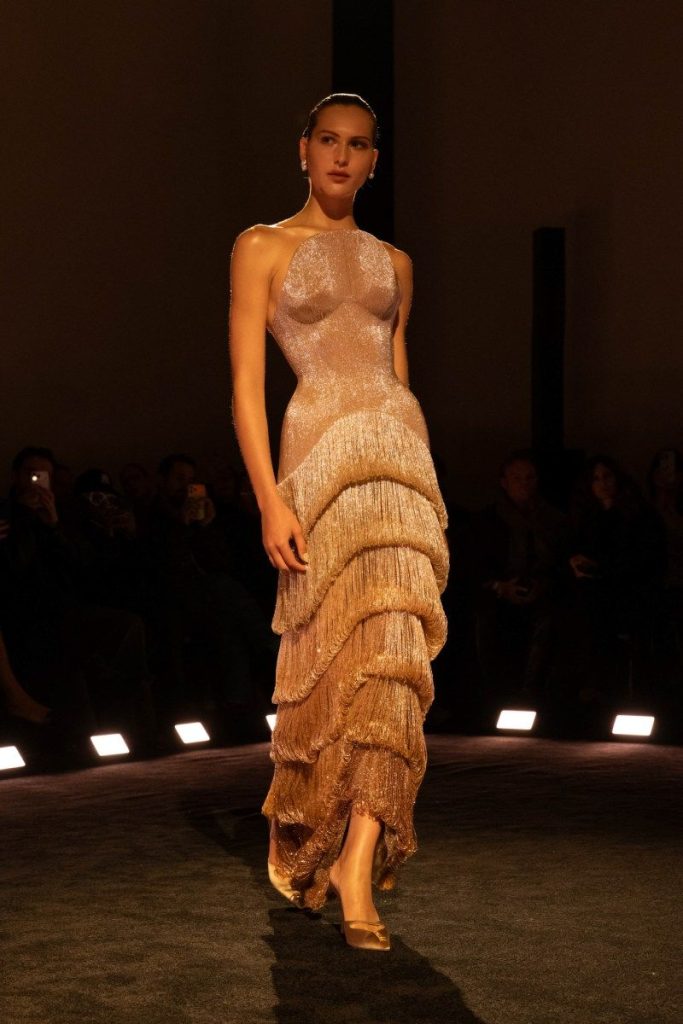
Schiaparelli Spring 2026 Couture Runway, Fashion Show
If you have ever wondered why a collection shown in October arrives in stores in February, or why Chanel is presenting on a cruise ship in May when fall clothes are barely out of the box, or what exactly the difference is between a ready to wear show and a couture show beyond the price tag, you are not alone. The fashion calendar is genuinely confusing, and the industry has never been particularly interested in making it legible to anyone outside it. What follows is an attempt to do that, to lay out how the system actually works, where each category came from, and what distinguishes one from another in terms of what the clothes are, how they are made, who they are for, and what purpose they serve within the broader architecture of the fashion year.
The modern fashion calendar is built around two primary ready to wear seasons, Spring Summer and Fall Winter, each anchored to the four main fashion weeks in New York, London, Milan, and Paris. These happen twice a year, in February and March for the following autumn, and in September and October for the following spring, which means the clothes you see on a runway in September will not be in stores until the following February at the earliest. The gap between the runway and the retail floor has always been one of the fashion system’s more counterintuitive features, and it exists because the time between a show and the arrival of product in stores is used for production, fabric sourcing, and the logistical work of getting clothes from an atelier or factory to retail floors across multiple markets simultaneously. Between these two main seasons, two additional categories have become permanent fixtures on the calendar: Cruise, also called Resort, and Pre-Fall. Both exist in the commercial gaps between the main seasons, and both have grown from modest commercial supplements into significant creative and financial events in their own right.
What Haute Couture Actually Is
Haute couture is the most specific and most legally regulated category in all of fashion, and the term itself is not interchangeable with luxury or high-end or expensive, all of which are frequently used as synonyms but none of which are technically accurate. In France, the term haute couture is a legally protected designation governed by the Chambre Syndicale de la Haute Couture, an institution founded in 1868 by Charles Frederick Worth, who is widely considered the father of modern couture and the first person to present clothes on living models in a Paris salon rather than through sketches or mannequins. In 1945, following the disruption of the Second World War and the need to reassert Paris as the center of the fashion world, the French Ministry of Industry formally established haute couture as a protected designation of origin, similar to the way Champagne is protected as a geographic designation for sparkling wine. Only houses approved annually by a dedicated commission operating under the Ministry for Industry can legally use the term, and the criteria for that approval are specific and non-negotiable.
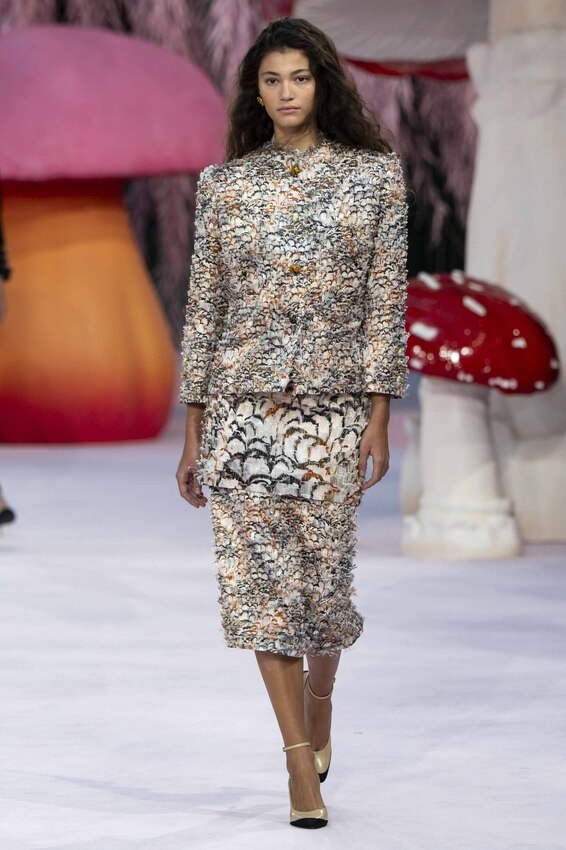
Photo: firstVIEW
To be recognized as a haute couture house, a brand must design made-to-order garments for private clients with a minimum of one fitting, maintain an atelier in Paris employing at least fifteen full-time staff members and at least twenty full-time technical workers, and present a collection of at least fifty original designs, including both day and evening garments, twice a year during the official Paris Haute Couture Weeks, which take place in January and July. The full members of the Chambre Syndicale, houses like Chanel, Dior, Givenchy, Valentino, and a handful of others, sit at the top of the hierarchy. Correspondent members, houses like Elie Saab, Giorgio Armani Privé, and Fendi whose ateliers are not Paris-based but who meet the other criteria, occupy a secondary tier. Guest members are invited seasonally and may be working toward full membership or simply participating for a limited period. The Chambre Syndicale conducts audits and can revoke the designation from any house that fails to maintain compliance, which has happened before and which is part of what keeps the designation meaningful rather than merely ornamental.
What the designation protects is not just a word but a standard of production. A single haute couture garment can take anywhere from one hundred to over a thousand hours to complete, depending on its complexity. The embroidery workshops, feather specialists, lace makers, and pleat ateliers that supply the couture houses, the Maisons d’art that sit within the Paraffection network in Paris and at Chanel’s Le19M complex, employ techniques that in many cases have not fundamentally changed since the nineteenth century. A hand-embroidered Chanel couture gown requires the collaboration of multiple specialized ateliers, each contributing a specific technical skill that has been developed and refined over decades. The prices for these garments reflect that labor directly and often run into hundreds of thousands of euros for a single piece, which is why the global couture clientele is estimated at only a few thousand people worldwide. Despite this, couture remains enormously significant to the industry not because of its commercial volume, which is relatively modest, but because of what it communicates about a house’s technical ambition and creative identity, and because ideas developed in couture reliably filter down into ready to wear collections and, eventually, into the broader culture.
Ready to Wear and the Four Fashion Weeks
Ready to wear, or prêt-à-porter, is what most people mean when they talk about fashion week. It is clothing produced in standardized sizes for general retail sale, as opposed to couture which is made to the measurements of a specific individual client. The Chambre Syndicale du Prêt-à-Porter des Couturiers et des Créateurs de Mode was formally established on October 8th, 1973, the same day as the broader Fédération Française de la Couture, a date that marks the moment the fashion industry officially recognized that couture alone could not sustain the commercial and cultural ambitions of the major Parisian houses. Ready to wear had been gaining momentum throughout the 1960s, driven largely by Yves Saint Laurent, who opened his first Rive Gauche boutique in 1966 specifically to make his designs accessible to women who could not afford couture, and whose move into the category was initially controversial among the old guard of the couture establishment before becoming essentially universal.
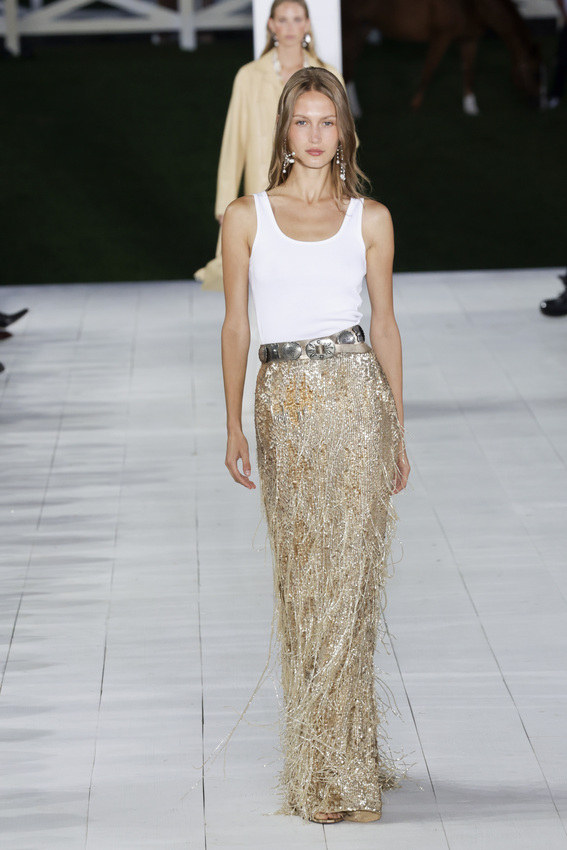
The four main fashion weeks, New York, London, Milan, and Paris, run consecutively in a sequence that has been largely stable for decades, each city occupying a specific position in the calendar and associated with a particular aesthetic register. New York runs first and is historically associated with wearable, commercially oriented design. London follows and has traditionally been the city most associated with experimental and emerging design, the place where a generation of designers including McQueen, Galliano, Vivienne Westwood, and more recently Simone Rocha and Nensi Dojaka established their identities before moving to larger platforms. Milan runs third and is the home of Italian luxury and craftsmanship, the city of Prada, Gucci, Versace, Bottega Veneta, and the specific kind of sensuality and technical excellence that Italian fashion has always represented. Paris closes the month and carries the most weight historically, the city of couture, of Dior and Chanel and Saint Laurent, the final word of the season. The sequence from New York to Paris is not random. It builds in prestige and historical authority toward the close, and Paris’s position as the last stop gives it a particular gravity that shapes how the entire season is ultimately remembered.
Ready to wear shows typically run between forty and eighty looks depending on the house, with commercial consideration balanced against creative ambition across a sequence that moves from the most accessible and wearable pieces at the opening through to the more elaborate evening looks toward the close. The shows themselves are produced events, from intimate presentations in a designer’s showroom to the full-scale theatrical productions that the major houses stage at venues ranging from the Grand Palais to custom-built environments that can cost millions of euros to construct.
Cruise and Resort: Where It Came From and What It Has Become
The Cruise collection, also called Resort, Pre-Spring, or Holiday depending on the house and the context, is the category most likely to confuse someone encountering the fashion calendar for the first time, partly because its name suggests a literal relationship to ocean travel that it has long since outgrown and partly because it arrives in stores at a moment that seems counterintuitive. Cruise collections are typically shown in May or June and delivered to stores in November, which means they appear on the retail floor when autumn clothing is already in full rotation and Christmas is approaching, and they are usually filled with lighter fabrics, warmer palettes, and the kind of resort-appropriate clothing that suggests summer rather than winter.
The explanation for this timing is historical. In the early twentieth century, wealthy American clients in particular would spend the winter months traveling by ocean liner to the Caribbean, the Mediterranean, or the warmer coastlines of Europe, trips that could stretch for months and that required a wardrobe of clothes suitable for neither the cold of their home cities nor the formality of the couture salon. Deck luncheons, port excursions, resort dinners, and the social life of a luxury cruise demanded something between daywear and evening formal that simply did not exist in the standard seasonal offerings of the major houses. Designers recognized the gap and filled it, producing smaller, warmer-weather collections specifically for this clientele, and the name Cruise has carried the memory of that origin ever since even as the category has evolved almost beyond recognition.
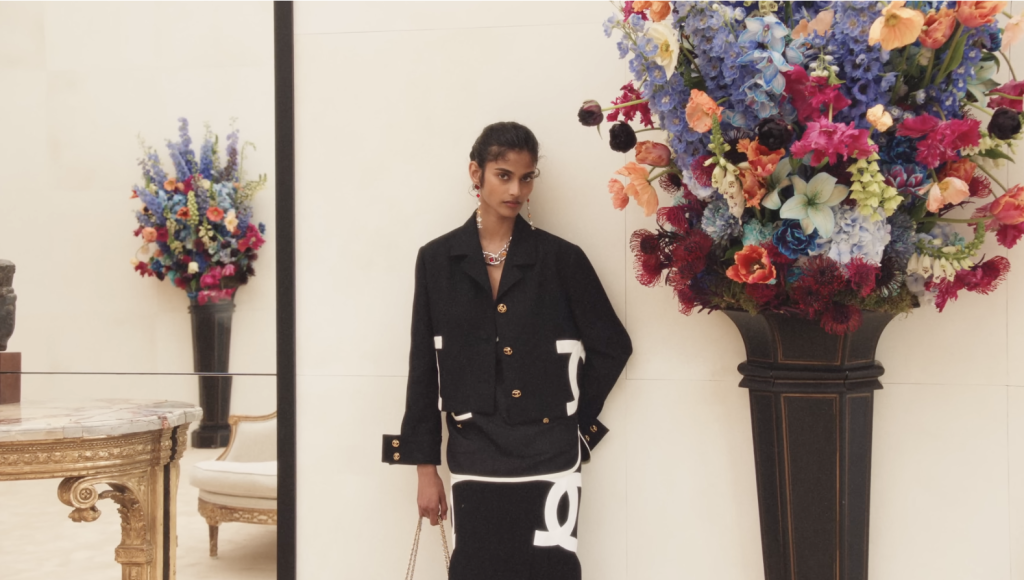
CHANEL Cruise 2026/27 Show — CHANEL Shows
Credit : CHANEL on Youtube
For much of the twentieth century, Cruise collections were commercially important but visually quiet, shown through lookbooks, presentations, and small appointments rather than runway events, with the clothes doing the practical work of retail rather than the symbolic work of spectacle. That changed significantly in the early 2000s as luxury houses began using Cruise shows as major global brand events, choosing locations that communicated something about the house’s identity and aspirations. Chanel’s 2007 resort show at New York’s Grand Central Station is often cited as a turning point, the moment when attending or covering a Cruise show became genuinely important rather than optional. Since then the destination Cruise show has become one of the most visible and expensive events on the fashion calendar, with houses choosing locations that carry cultural and historical authority. Chanel in Cuba, Louis Vuitton in Rio de Janeiro and Avignon, Dior in Mexico City and Perthshire, Gucci at Gyeongbokgung Palace in Seoul: the location itself has become part of the product, supplying the show with atmosphere, imagery, and a relationship to a specific place and culture that the clothes absorb and communicate outward. What was once a commercial supplement has become one of the most creatively significant moments in a major house’s year, and the numbers reflect this. Business of Fashion has reported that buyers allocate approximately eighty percent of their budgets during the sales period for pre-collections, which includes Cruise and Pre-Fall, and Louis Vuitton’s former CEO Michael Burke described Cruise as a collection capable of remaining commercially relevant from November through the following June.
Pre-Fall and the Commercial Logic of the In-Between
Pre-Fall operates on similar logic to Cruise but sits in a different position on the calendar and serves a slightly different commercial purpose. Shown in late autumn or early winter, often without a major runway presentation and instead through lookbooks, digital content, or small appointments, Pre-Fall collections arrive in stores in May and June, bridging the gap between spring and autumn clothing on the retail floor. The commercial rationale is straightforward: the Spring Summer collection has been on sale for several months by the time Pre-Fall arrives, some of it has already gone on markdown, and the Fall Winter collection is not yet available. Pre-Fall fills that retail gap with new product at full price, giving stores something fresh to offer at the moment when the commercial floor would otherwise be thinning out. Pre-Fall accounts for sixty to seventy percent of a brand’s sales during the fall period according to multiple industry sources, which makes it among the most commercially significant categories in the fashion system despite receiving considerably less creative and critical attention than the main runway seasons.
The clothes in a Pre-Fall collection tend to be transitional by design, mixing lighter and heavier fabrics, blending elements from both the preceding spring and the coming autumn in combinations that work across different climates and across the extended selling window the collection occupies. They are generally the most wearable and least conceptually challenging pieces a house produces in a given year, which is not a criticism but a reflection of their function. They exist to be bought and worn rather than to define a creative direction, and the designers who understand this distinction use the season accordingly, reserving their most ambitious ideas for the main runway while using Pre-Fall to consolidate and commercialize the direction already established.
How It All Fits Together
Laid out sequentially, the fashion year looks something like this. In January and February, the couture houses present their Haute Couture Spring Summer collections in Paris. In February and March, the four main fashion weeks present ready to wear Fall Winter collections. In May and June, the major luxury houses present their Cruise or Resort collections, usually in destination locations around the world. In September and October, the four main fashion weeks present ready to wear Spring Summer collections. In July, the couture houses present their Haute Couture Fall Winter collections. Pre-Fall collections filter through in late autumn and early winter without a centralized calendar event. The clothes arrive in stores at different intervals from each of these moments, typically three to six months after the show, so that what is on the runway in February reaches the retail floor by August and what is shown in September arrives the following February. Couture is made to order and delivered directly to the individual client, which removes it from the retail cycle entirely.
The result is a system that looks chaotic from the outside and functions with its own internal logic from within, a logic built partly on the creative ambitions of the designers who feed it and partly on the commercial demands of the global retail infrastructure that depends on it. Understanding the difference between these categories does not require working in fashion. It requires only knowing what each one is for, and once that is clear, the calendar stops feeling like a mystery and starts feeling like what it actually is: a very large, very expensive, very complicated system for producing and selling clothes, running continuously, all year, without stopping.