
By Gabriela Afanador
Tuesday 13, October 2026
So I started off this year with a list of 100 things I wanted to do. It was the first time I had ever planned a whole year ahead, and I had no idea how much of it would actually happen. A lot of the things on that list didn’t stick, or they lasted a couple of weeks and then slowly disappeared from my days, but many of them did stay. I’ve been wanting to share those along the way, partly because I’m proud of them and partly because I learned a lot from each one. Walking is one of them, and it’s probably the one that surprised me the most.
Since January I’ve been walking 20 to 30 minutes a day. Some days it’s more and some days it’s less, and some days I skip it completely, but it’s been one of my most consistent habits this year along with journaling. I also go to the gym, do calisthenics and try to eat healthy, and I love all of that, but those require a lot more work, planning and energy to keep up. Walking was different. It fit into my day without asking for much, so I just kept going. After a few months I could feel a real difference in my body, in how I recovered from training and even in how I felt after eating, and I got curious about whether that was actually happening or just in my head. So I did what I always do and started reading about it.
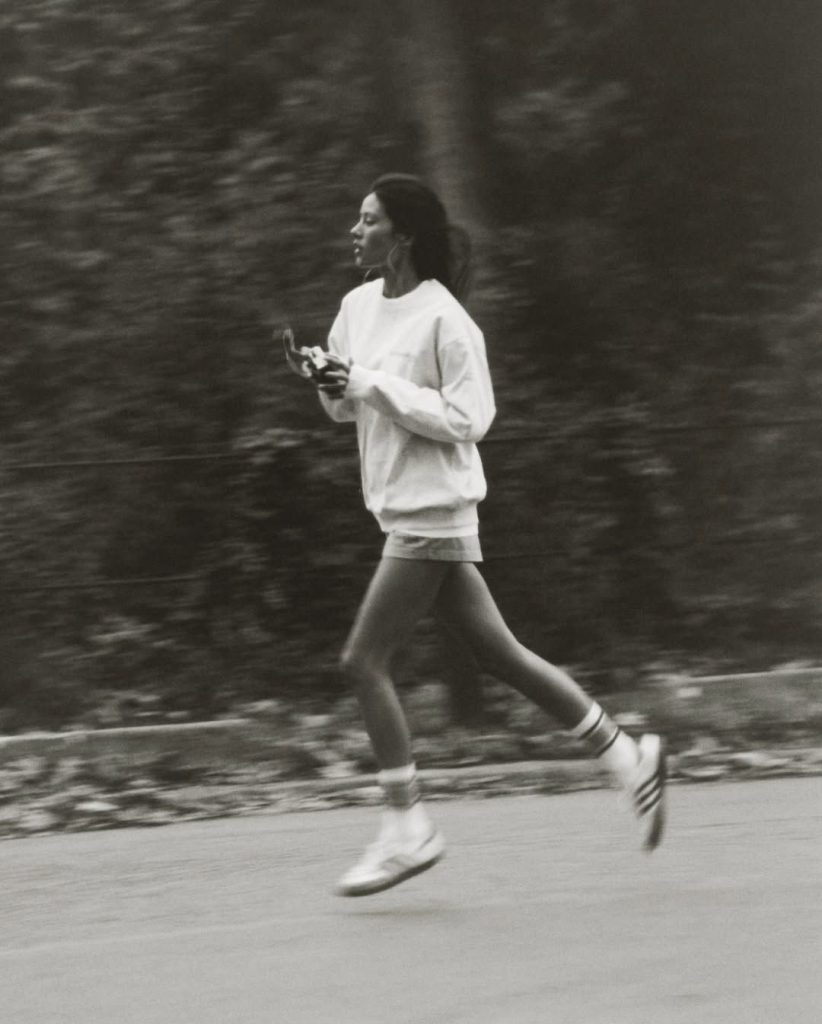
The 10,000 Steps Thing
The first thing I looked up was the famous 10,000 steps rule, because I had always assumed that was the goal and anything below it didn’t really count. It turns out that number came from a pedometer sold in Japan in the 1960s called manpo-kei, which translates to “10,000 step meter.” It was a marketing idea, a round number that sounded good on a box, and somehow it became the standard everyone measures themselves against. I found that funny and also a little bit freeing, because I had spent years feeling like my walks were never quite enough.
The research tells a much more relaxed story. In 2022 Amanda Paluch and her team at the University of Massachusetts Amherst combined data from 15 studies that followed almost 50,000 adults across four continents, and they looked at how the number of steps people took each day related to their risk of dying early. More steps did mean lower risk, but the benefit stopped growing at a certain point. For adults under 60 it leveled off around 8,000 to 10,000 steps a day, and for people over 60 it was closer to 6,000 to 8,000. My daily walk alone is around 3,000 steps, and everything else I do during the day, going to the office, moving around the house, walking to get lunch, adds to that without me even thinking about it. Since reading this I’ve stopped checking the number on my phone every night. I care a lot more about whether I went for my walk than whether I hit a specific number.
Walking is also one of the gentlest things you can do for your heart. It raises your heart rate enough to make it work without pushing it into the kind of intensity you need to recover from, and because you do it often, that small effort adds up over weeks and months. I’m not someone who enjoys running, and for a long time I thought that meant I wasn’t doing enough cardio. Walking every day changed how I think about that. It’s cardio I actually do, and the kind you do consistently is the one your body ends up benefiting from.
Walking After Meals
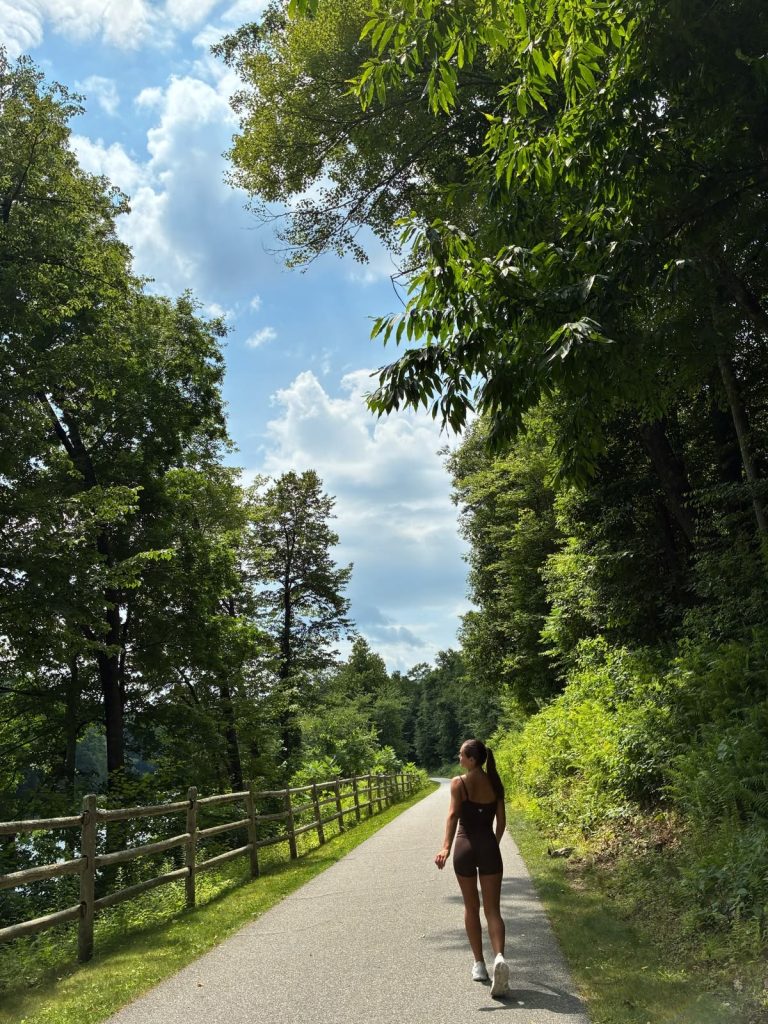
This was the part I didn’t know at all, and it’s probably the one that changed my routine the most. When you eat, your blood sugar goes up, and your body releases insulin to bring it back down. When your muscles contract, they use sugar from your blood for energy. So if you move after a meal, your muscles pull some of that sugar out of your bloodstream, and the spike ends up smaller and comes down more gently. It’s such a simple mechanism, and once I understood it, it made complete sense why I always felt lighter and less sleepy when I walked after eating.
Aidan Buffey and his colleagues at the University of Limerick in Ireland looked at seven studies in 2022 that compared what happens to blood sugar when people sit, stand or walk lightly after meals and throughout the day. Standing helped a little bit. Light walking helped more, and it lowered both blood sugar and insulin, even when the walks lasted only two to five minutes. That last detail is what got me, because it means you don’t need a full workout to make a difference. Now on the days I can’t fit in my full walk, I go for a short one after lunch and I still count it, because my body clearly does. (My tip is to go within the first hour after eating, since that’s usually when blood sugar reaches its highest point. Even walking around your house or your office counts.)
Recovery and My Joints
I train with weights and do calisthenics, and the day after a hard leg or back session I’m usually stiff and a little sore. For a long time I thought the best thing to do on those days was rest completely, but walking ended up helping me much more than sitting still. It’s gentle enough that it doesn’t add more fatigue to muscles that are already tired, and it gets blood moving through them, which helps the soreness ease up faster. I come back from my walk on those days moving a lot more easily than when I left, and my next training session usually feels better too.
It’s also kind to your joints. Walking has very little impact compared to running or jumping, so you can do it every day without your knees or ankles paying for it, which is a big part of why it has been so easy for me to keep. At the same time, it’s still a weight-bearing activity, meaning your bones carry your body’s weight with every step, and that kind of regular load is part of what keeps bones strong as we get older. I didn’t think about my bones at all when I started this habit, but it’s something I’m glad I’m doing for my future self.
What It Does for My Head
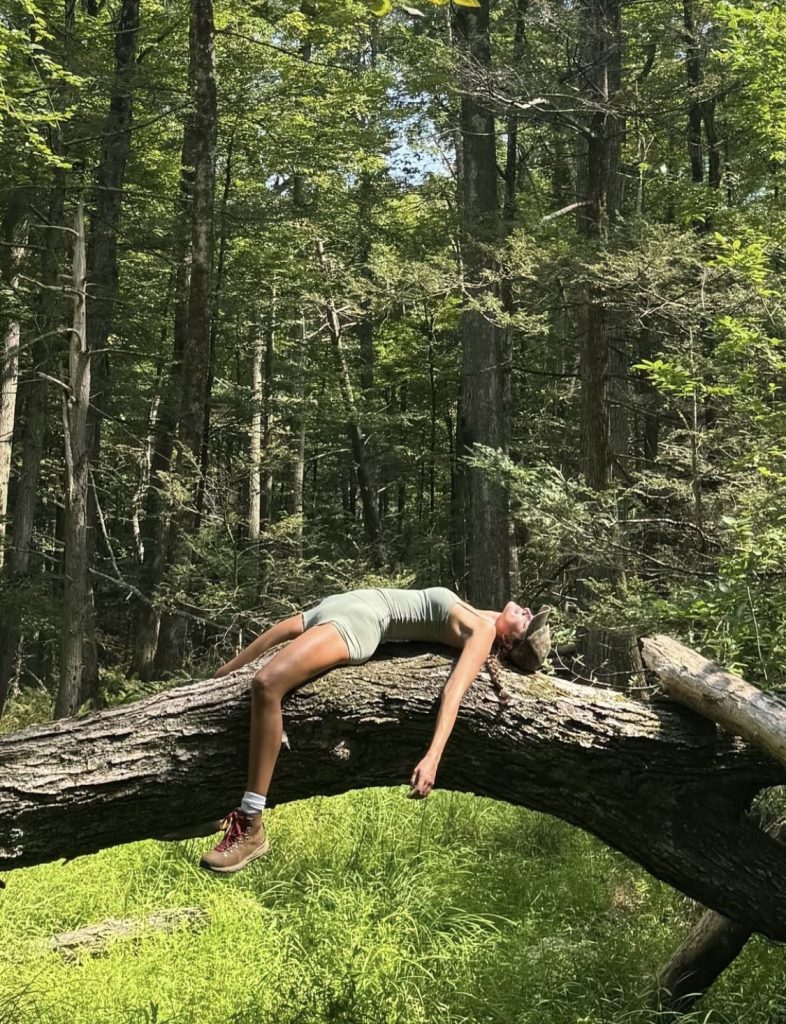
I started walking for my body, but honestly my head changed just as much. On the days I walk without music, I come back with more ideas than when I left, especially when I’m stuck on an article or a decision I’ve been putting off. I always assumed it was because I was getting away from my screen, but it turns out walking itself has a lot to do with it.
Marily Oppezzo and Daniel Schwartz at Stanford University tested this in 2014. They asked people to come up with creative ideas while sitting and then while walking, and walking raised their creative output by about 60 percent on average. The part I love is that even the people walking on a treadmill facing a blank wall did better than when they were sitting, so it wasn’t the scenery doing the work. It was the movement. Since reading that, when I can’t figure out how to start something, I go for my walk first and only sit down to write once I’m back. Most of the time the first paragraph has already shown up somewhere along the way.
I also just feel calmer. After a long day of meetings my mind tends to keep replaying conversations and lists of things I still have to do, and 30 minutes outside gives all of that somewhere to go. I come home lighter, and I sleep better on the days I walk than on the days I don’t.
The Days I Skip
I don’t walk every single day, and I want to be honest about that, because it’s the main reason I’ve been able to keep going for almost ten months. Some days I have meetings back to back, or it’s pouring rain all afternoon, or I’m sick or simply too tired, and I don’t go. Before this year, missing one day would have made me feel like I had already failed and might as well give up on the whole thing. That all or nothing feeling is what ended most of the habits I tried to build in the past.
This year I decided to be kinder to myself about it. My only rule is to never miss more than two or three days in a row. If I skip a day, I don’t feel guilty, and I don’t try to make up for it with an hour-long walk the next day either. I just go back to my usual walk the next time I can. That small change has made a huge difference, because the habit never feels like a punishment and missing a day never feels like the end of it.
How to Start
If you want to try it, my biggest tip is to walk around the same time every day, whether it’s in the morning, after lunch or right after work, so it becomes part of your routine and you don’t have to decide every day whether you’re going. Fifteen minutes is completely fine to start with, and you can add more once it feels natural. Pick a route you actually enjoy, ideally one with some trees or a park, because it makes a big difference in how much you look forward to it. And try leaving your phone in your pocket for at least part of the walk (some of my best ideas have come on the days I walked with no music at all, just my thoughts and the street).
It’s almost November now and I’m still walking every day, or almost every day. Journaling is the other habit from my list that stuck, and that’s the one I’ll be sharing next.